Motion Should Explain, Not Perform
Animation earns its place when it answers a question the user already has.
4 min
read
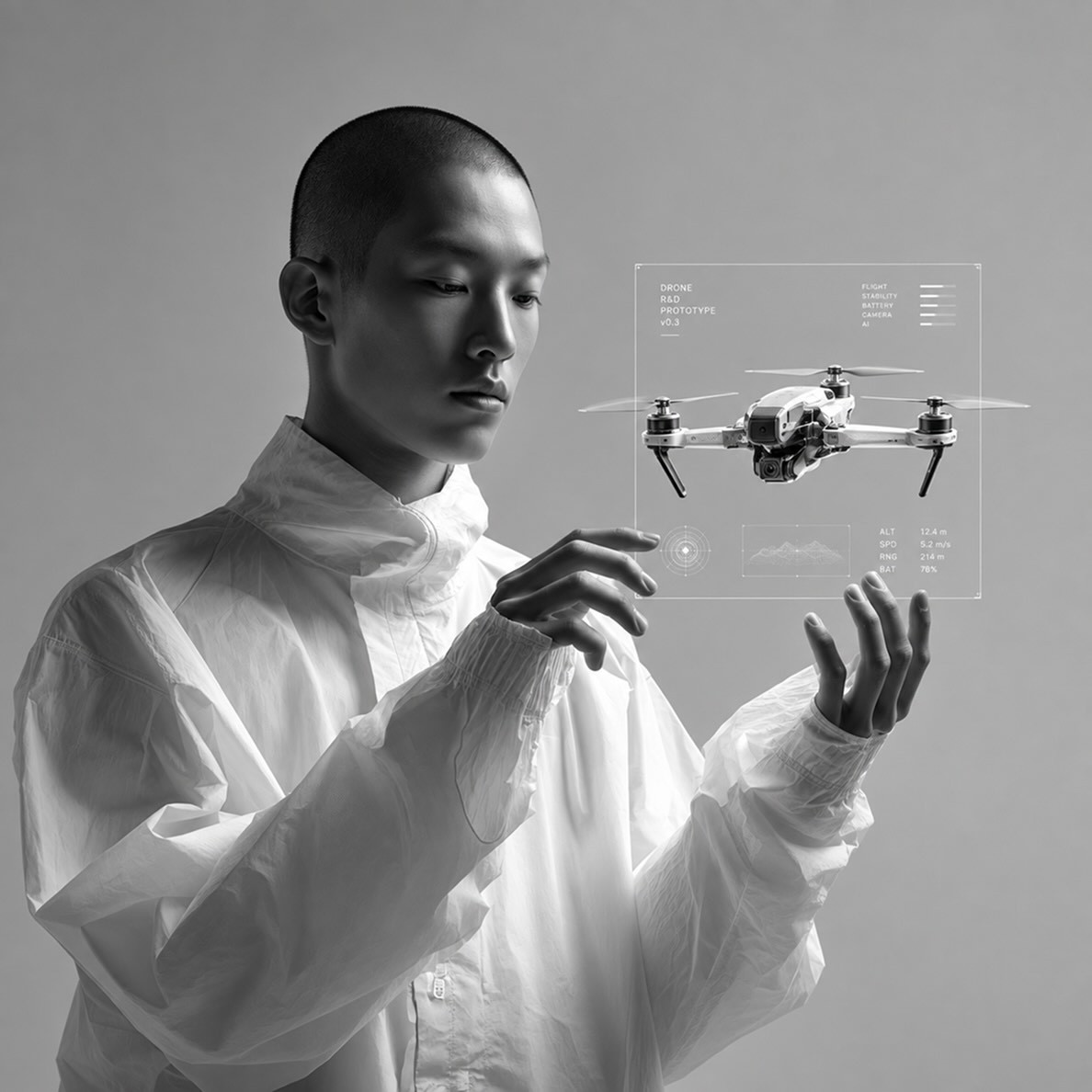

Motion is the easiest thing to add and the hardest thing to justify. It reads as craft, it demos well, and it rarely gets questioned once it is in. But every animation costs the user time. A 400ms transition is 400ms of waiting, repeated on every visit, forever. The test is simple. Does the movement answer a question the user is already asking? Where did this come from. Where did it go. What changed. What is loading. If it does not answer one of those, it is decoration, and decoration should be cheap.
CONTINUITY OVER SPECTACLE
The strongest interface motion is almost invisible. An element moves from where it was to where it now belongs, and the user never loses track of it.
This is why shared-element transitions feel expensive even when they are simple. They preserve identity across a state change. The card the user tapped is the same card that opens.
Compare that with a fade. A fade destroys one thing and creates another. It works, but it asks the user to rebuild their mental model each time.
Spectacle motion does the opposite. It draws attention to the transition itself, which is the one element on screen that carries no information.
DURATION IS A DESIGN DECISION
Most interface motion is too slow. Designers tune timing while watching a single animation in isolation, where 500ms feels graceful. Users experience it on the fortieth repetition, where it feels like lag.
Entrances can afford more time than exits. Users wait for things to arrive; they do not wait for things to leave. Exits should be roughly half the duration of their matching entrance.
Distance matters more than most teams account for. An element travelling across the viewport needs longer than one shifting a few pixels, and a single global duration will make one of them wrong.
Then there is the case for no motion at all. Reduced-motion settings are not an edge case, and honouring them properly means removing the movement, not shortening it.